
Concerns: Sagging Jowls
Treatment for Jowls
Jowls are one of those changes that tend to creep up gradually, and then suddenly feel very noticeable. One day you look in the mirror and realise the lower edge of your face has softened, the jaw no longer looks as defined as it once did, and there’s a heaviness that wasn’t there before.
It’s one of the most common concerns I hear in clinic, and it’s also one of the most misunderstood. Many patients assume jowls are simply a skin problem, that if the skin could be tightened, the issue would be resolved. In reality, sagging jowls are almost always a structural concern, rooted in changes that happen deep beneath the surface. Understanding that is the key to treating it well.
Why Does This Happen?
Jowls develop as a result of several age-related changes happening simultaneously — and it’s rarely just one factor in isolation.
Volume loss in the mid-face As we age, we lose fat and bone density in the cheeks and mid-face. This loss of structural support means the overlying skin and tissue gradually descend. What was once held up by full, youthful cheeks begins to drift downwards, collecting along and below the jawline. This is one of the primary reasons jowls develop, not because the skin at the jaw has stretched, but because the scaffolding above it has diminished.
Loss of skin elasticity Collagen and elastin (the proteins responsible for keeping skin firm and resilient) decline naturally from our mid-twenties onwards. As the skin becomes less able to spring back and support itself, gravity has a greater effect, and the lower face begins to lose its definition.
Bone resorption The bones of the face change shape over time. The jaw and chin can lose density and projection, and the angle of the jawline shifts. This contributes to the softening of the lower facial contour and makes jowling more pronounced.
Genetics and lifestyle Some people are genetically predisposed to developing jowls earlier or more significantly than others. Factors such as sun damage, smoking, significant weight fluctuations, and lifestyle can accelerate the process, but even patients with excellent skincare habits and a healthy lifestyle will notice these changes over time, because much of it is structural and inevitable.
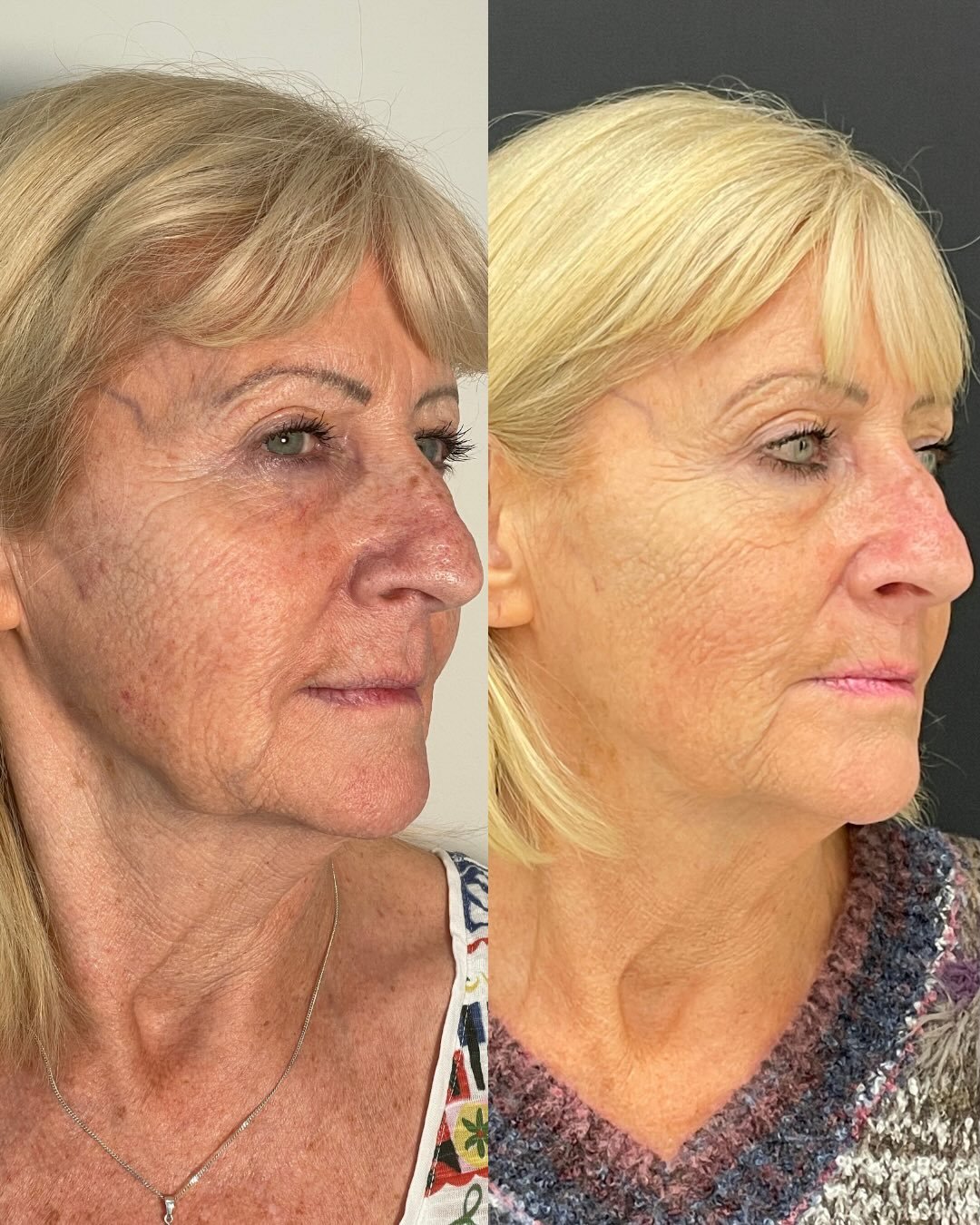
What Can Be Done?
Jowls are a concern where the treatment approach really matters. Because the root cause is almost always structural (volume loss and laxity working together), surface-level treatments alone rarely give the bets results.
As a doctor with a background in general medicine and advanced aesthetics, I approach sagging jowls by first understanding what’s driving them for each individual patient. For some, the dominant factor is mid-face volume loss, which has caused drooping in the lower face. For others, it’s primarily skin laxity. For most, it’s a combination of both. The right treatment, or combination of treatments follows from that assessment.
There is no single solution that works for everyone, which is why I always begin with a thorough consultation rather than a pre-set treatment plan.
Recommended Treatments
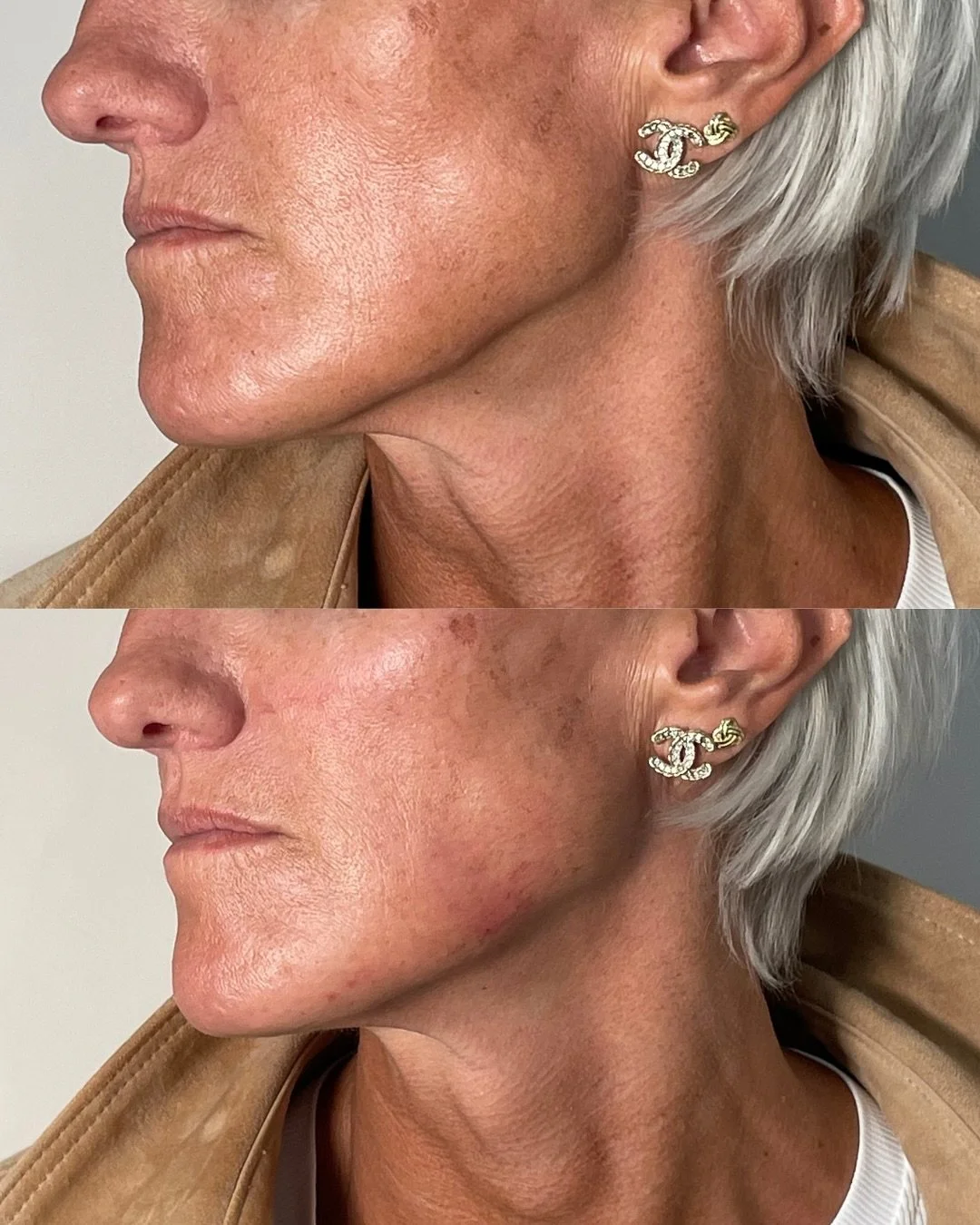
Strategically placed dermal filler is one of the most effective non-surgical tools for addressing jowls, but not always in the way patients expect. Rather than injecting directly into the jowl itself, the approach I often take is to restore volume in the cheeks and mid-face, which lifts and supports the tissue above the jaw and reduces the sagging that creates jowling in the first place.
Jawline filler can also be used to sharpen and redefine the jaw contour, creating a cleaner edge and reducing the appearance of soft tissue spilling below it.
When planned carefully with an understanding of facial balance and anatomy, filler can achieve a meaningful improvement in lower face definition, without looking overfilled or artificial.
Suitable for: Sagging jowls primarily driven by mid-face volume loss; patients who want to restore and redefine jaw contour; those looking for immediate, visible results
Treatment time: 30–45 minutes
Results: Visible immediately; full results at 2 weeks
Longevity: Typically 12–18 months depending on the area treated and individual factors
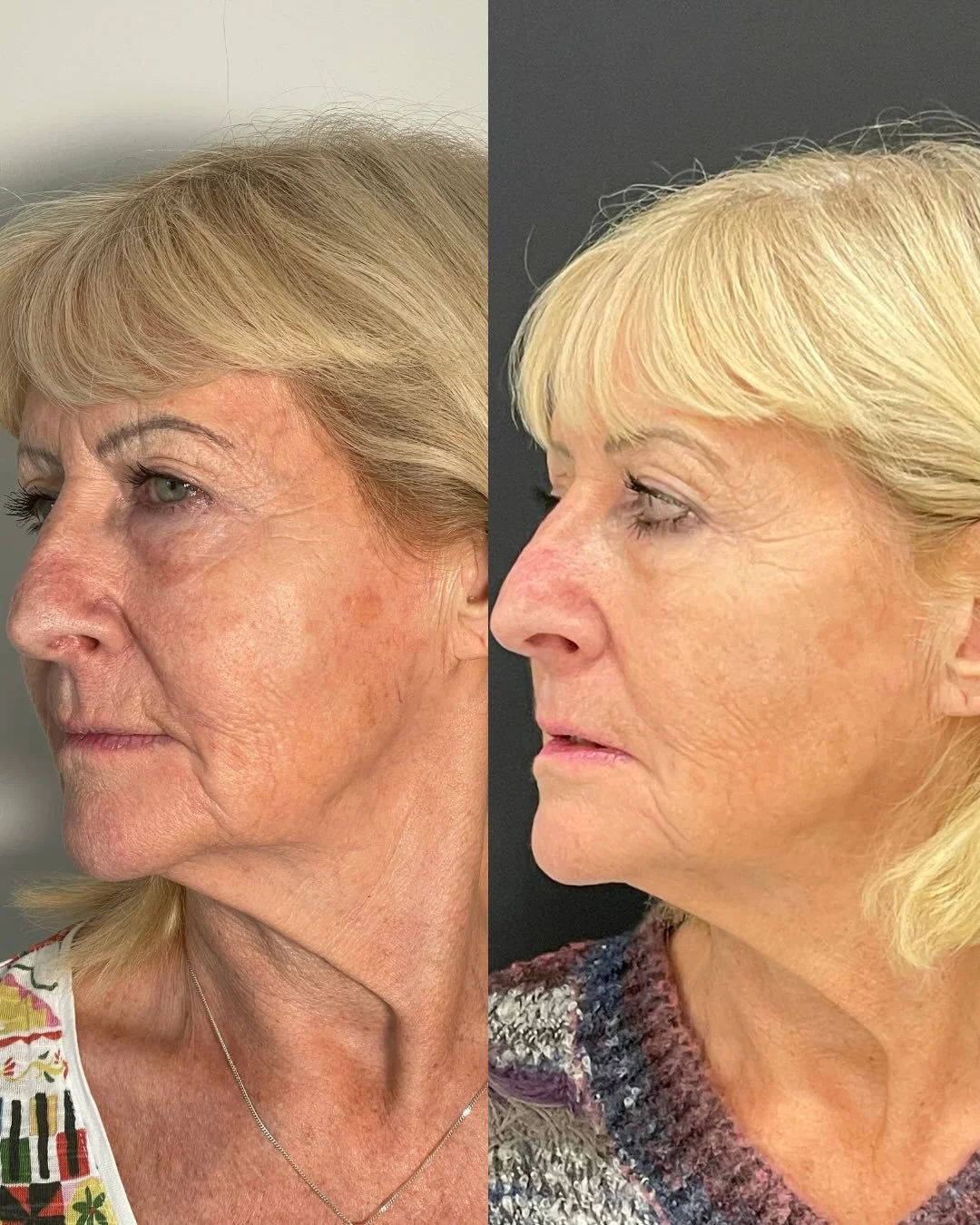
For patients who want to address sagging jowls gradually, or who are not yet ready for filler yet, Sculptra is an excellent alternate option. Unlike traditional dermal fillers, Sculptra is a skin boosting collagen stimulator. Rather than adding volume, it works by triggering your skin to produce its own collagen over time, gradually improving the structure, firmness, and quality of the tissue.
This makes Sculptra particularly well suited to jowling because it addresses two of the underlying causes simultaneously: restoring volume and improving skin quality from within. Results develop slowly and naturally over several months, and because the improvement comes from your own biology, the outcome is entirely authentic to your own facial structure and features.
Sculptra requires a course of treatments, and patients need patience, this isn’t an instant fix. But for those who want a long-lasting, gradual transformation that avoids the “filler look” entirely, it’s one of the most compelling options available.
Suitable for: Patients with early to moderate jowling; those who prefer a gradual, natural result; patients who want to stimulate their own collagen rather than add volume directly
Course: Typically 2–3 sessions spaced 4–6 weeks apart
Treatment time: Approximately 45 minutes per session
Results: Gradual improvement over 3–6 months; continue to develop after treatment is complete
Longevity: Results typically last 2 years or more

Profhilo is not a filler, it doesn’t add structure or volume, but it has an important role to play in treating jowls when skin laxity is a significant contributing factor. It’s one of the highest-concentration hyaluronic acid treatments available, and it works by deeply hydrating the skin and, much like Scuptra, it is a skin booster that stimulates your bodies own production of collagen and elastin.
The result is skin that feels firmer, looks more radiant, and has noticeably improved elasticity. For patients whose jowling is partly driven by skin that has lost its ability to hold itself up, Profhilo can provide meaningful improvement in the quality and tone of the lower face and neck.
It works particularly well as part of a combination approach, alongside filler or Sculptra, where the structural concern is addressed with one treatment and the skin quality is improved with another.
Suitable for: Patients with skin laxity as a contributing factor to jowling; those looking to improve overall skin quality and firmness in the lower face; patients wanting a natural, skin-health focused approach
Course: 2 sessions spaced 4 weeks apart, with maintenance every 6 months
Treatment time: Approximately 30 minutes per session
Results: Improvement in skin quality and firmness within 4–8 weeks of completing the course
Longevity: 6 months; maintenance treatments recommended
Which Treatment is Right for me?
The honest answer is: it really depends on what’s driving your jowls. For many patients, the best outcome comes from a combination approach, for example, filler or Sculptra to address the structural volume loss, alongside Profhilo to improve the quality and firmness of the overlying skin.
This is exactly why I offer a thorough, personalised consultation before any treatment. There’s no pressure and no obligation to proceed, it’s simply time for you to share your concerns, ask your questions, and for me to give you my honest clinical opinion on what I think would make the most meaningful difference for you.
Book a consultation
If jowls are a concern you’ve been thinking about, the first step is a conversation. Request a consultation and I’ll take the time to properly assess what’s driving the change, and talk through the options that are right for you, with no obligation to proceed.
Clinics in Altrincham (Cheshire) and Harley Street, London.
Why Choose Dr Karim?
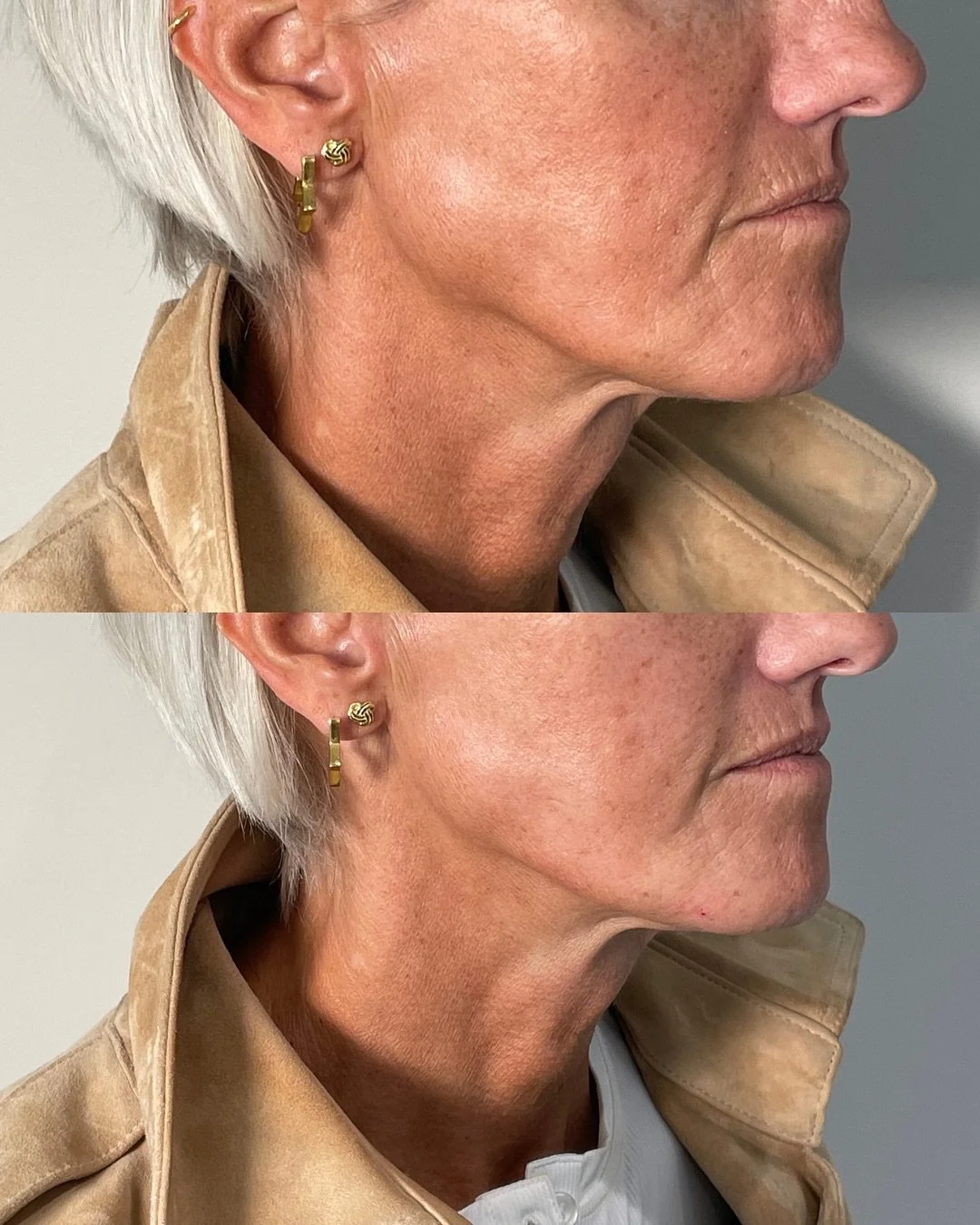
Jowling is one of those concerns where the quality of the assessment matters as much as the quality of the treatment. Getting a natural result requires an understanding not just of where to inject, but of the anatomy behind what you’re seeing and why.
My background as a practising GP means I approach every patient with the same rigour and care I’d bring to any medical consultation. Every treatment I carry out is doctor-led, personally delivered, and grounded in a commitment to results that enhance rather than alter.
My approach is always the same: enhance, never overpower. I want you to look like a fresher, more defined version of yourself, not like someone who’s ‘had work done’.
I see patients at my clinic in Altrincham (based at Star Clinic) and at Harley Street, London. Wherever you choose to see me, you’ll receive the same standard of care.
Frequently Asked Questions Jowling & Sagging Jowls
-
Yes, and for many patients, non-surgical treatments can make a very meaningful difference. Dermal filler, Sculptra, and Profhilo all address the underlying causes of jowling without the need for surgery or significant downtime. That said, non-surgical treatments do have their limits, and there are cases where significant laxity may be better suited to a surgical approach. I’ll always be honest with you about what’s realistically achievable.
-
There’s no fixed answer as it varies significantly from person to person depending on genetics, lifestyle, and facial anatomy. Many patients start to notice early signs of jowls in their late thirties to mid-forties, though it can appear earlier or later. The underlying changes that lead to jowling begin much earlier, which is why some patients benefit from a preventative approach.
-
Only if it’s placed incorrectly or in excess. Filler placed directly into a jowl without understanding the structural cause will simply add bulk in the wrong area. The approach I take is to assess the whole face and address the volume loss that’s driving the descent, not simply to fill what’s visibly sagging. A careful, anatomy-led approach gives natural results.
-
All of the treatments I recommend for jowls are non-surgical and require minimal downtime. You may experience mild redness, swelling, or occasional bruising at the injection sites, but most patients return to normal activities the same day or the day after. I’ll always discuss what to expect during your consultation.
-
This depends on the treatment and the degree of concern. Dermal filler can produce noticeable results in a single session. Sculptra and Profhilo are course-based treatments, typically requiring two to three sessions to achieve the best outcome. Many patients then choose to maintain their results with periodic top-up treatments.
-
Yes, and no… Maintaining skin quality through a good skincare routine, sun protection, and skin health treatments like Profhilo can slow the rate at which skin laxity contributes to sagging jowls. Addressing volume loss early, before significant descent has occurred, is also more straightforward than trying to correct it once it’s well established. If jowling runs in your family, it’s worth having a conversation about what a preventative approach might look like for you.