
Concerns: Dark Circles & Under-Eye Bags
Treatment for Dark Circles & Under-Eye Bags
The eyes are often the first thing people notice, and one of the first areas to show signs of tiredness, stress, or the natural aging. Dark circles, hollowing, and under-eye bags are among the most common concerns I see in clinic. Patients frequently tell me the same thing: they feel well, but they simply don't look it.
If you find yourself reaching for concealer every morning, or being asked if you're tired when you're not, you're not alone, and importantly, there is something that can be done about it.
The under-eye area is one of the most delicate parts of the face. Unlike other areas where changes happen gradually, the skin user your eyes is thinner, the underlying fat is minimal, and the structures are closely packed, which means even small changes can have a really noticeable impact on your overall appearance.
Dark circles, sunken under-eyes, and under-eye bags typically develop due to a combination of factors:
Volume loss: As we age, the natural fat pads beneath the eye begin to diminish, and bone structure changes subtly over time. This creates a hollowing effect, known as the tear trough, which casts a shadow under the eye, giving the appearance of darkness or depth even when the skin itself is not pigmented.
Thinning skin: The skin under the eye is already the thinnest on the face. Over time it becomes even finer, making the fine blood vessels beneath more visible and contributing to that blue-purple discolouration many people associate with tiredness.
Pigmentation: Some individuals naturally produce more melanin in the under-eye area, which can create a darker appearance. This is often genetic and can appear from a relatively young age.
Fluid retention and puffiness: Under-eye bags, the subtle puffiness that can develop below the lower lid, is often caused by the herniation of small fat pockets beneath the eye, or by fluid pooling in the area overnight. This is why many people notice puffiness is worse in the morning.
Lifestyle factors: Lack of sleep, dehydration, alcohol, and stress can all exacerbate the appearance of the under-eye area. However, it's worth noting that even well-rested, healthy patients can struggle with dark circles and hollowing, because much of what we see here is structural, not simply the result of a late night.
Why Does This Happen?

The under-eye area is technically one of the most challenging areas to treat in aesthetics, which is why it's so important to see a clinician with specific experience here. As a doctor with a background in general medicine and advanced aesthetics, I take a careful, anatomy-led approach to every assessment, understanding not just what you're seeing, but why.
Rather than applying a one-size-fits-all solution, I'll take time in your consultation to assess the underlying cause of your concern. Depending on whether your main issue is hollowing, pigmentation, skin quality, or a combination of all three, the right treatment approach will differ, and in some cases, a combination of treatments may give the best result.
What Can Be Done?
Recommended Treatments
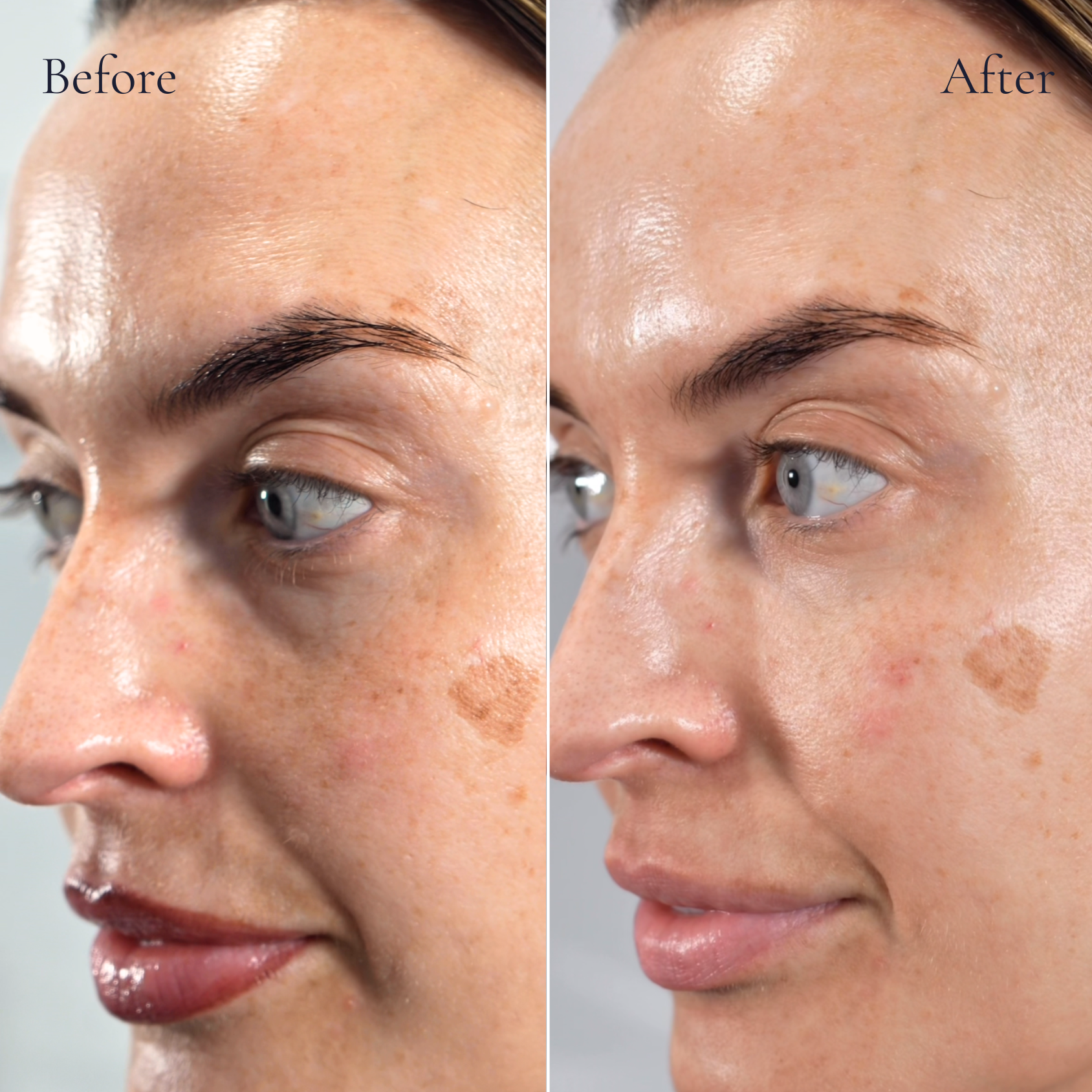
For patients whose dark circles are primarily caused by volume loss and shadowing in the tear trough, under-eye filler can make a remarkable difference. A soft, hydrating hyaluronic acid gel is carefully placed beneath the eye to gently restore the lost volume, smoothing the transition between the lower lid and the cheek.
The result is a brighter, more rested appearance — without any surgery or significant downtime. Results are visible almost immediately, with mild swelling settling fully within two weeks.
This treatment requires precision and an in-depth understanding of the anatomy of the peri-orbital area. Every treatment is carried out personally by me, from your initial consultation through to the procedure itself, never delegated.
Suitable for: Hollow tear troughs, shadowing due to volume loss, mild under-eye bags caused by structural changes
Treatment time: Approximately 30 minutes
Results: Visible immediately; full results at 2 weeks
Longevity: Typically 12–18 months
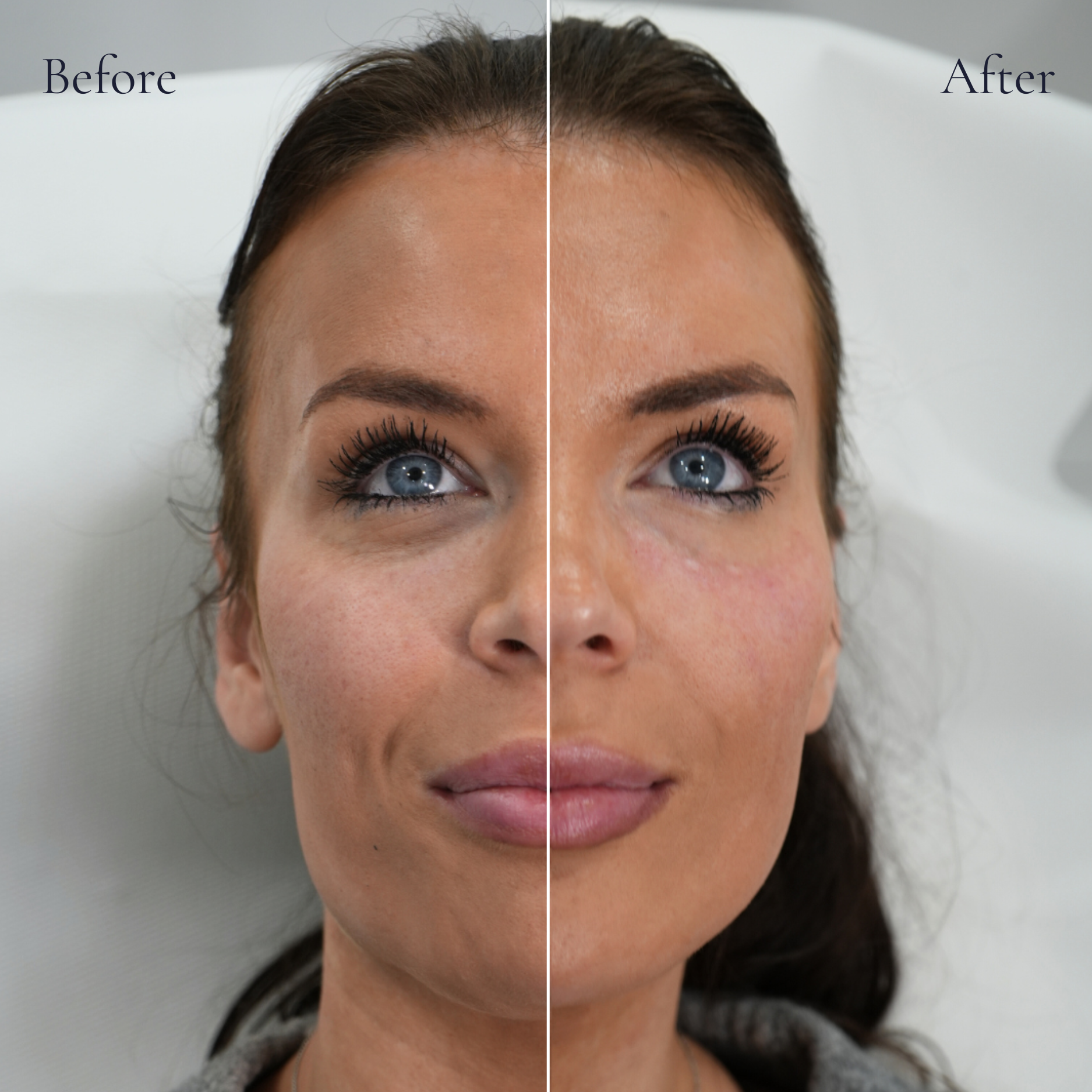
Polynucleotides are one of the most exciting developments in regenerative aesthetics, and one of my personal favourite treatments for the under-eye area. Rather than adding volume, polynucleotides work by stimulating your skin’s own repair mechanisms, encouraging the production of collagen and elastin from within.
They are particularly well-suited to the delicate under-eye area, where the skin quality itself (thinness, crepiness, fine lines, and dullness) is often as much of a concern as the hollowing. Polynucleotides improve hydration, skin thickness, and overall texture over a course of sessions, delivering results that look and feel completely natural.
Because polynucleotides work with your biology rather than adding a foreign substance, the results develop gradually and look entirely your own.
Suitable for: Thin, crepey skin under the eyes; dark circles with a skin-quality component; patients who want to improve overall under-eye health without filler
Course: Typically 2–3 sessions spaced a few weeks apart
Treatment time: Approximately 30 minutes per session
Results: Hydration improvements within a few weeks; full results after completing the course
Longevity: 6–12 months; maintenance once or twice a year
Which Treatment is Right for me?
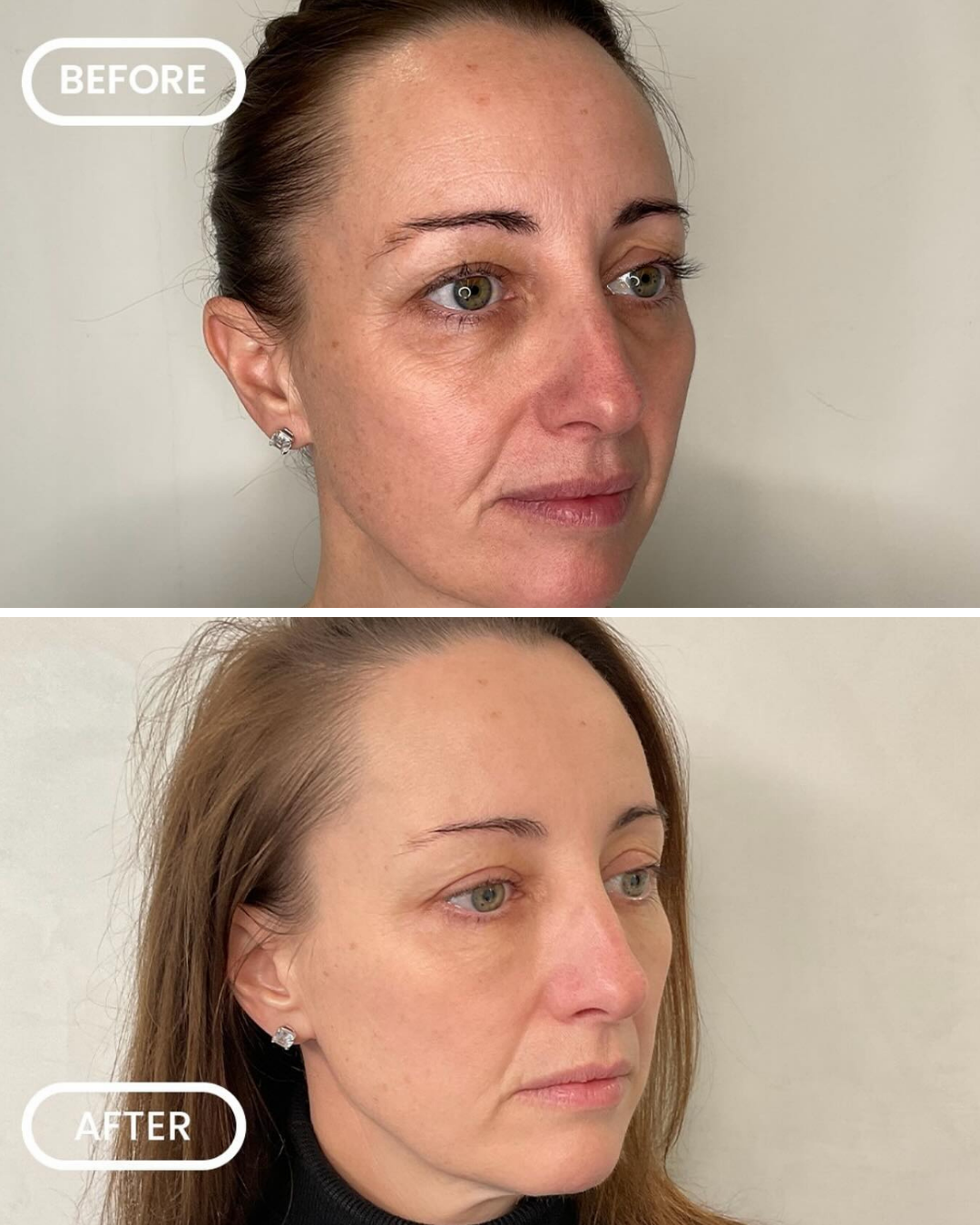
The honest answer is: it depends on what’s causing your specific concern. Many patients benefit from a combination approach, for example, under-eye filler to address structural hollowing, alongside polynucleotides to improve the quality of the overlying skin.
This is exactly why I offer a thorough, personalised consultation before any treatment. This is time for you to ask your questions, let me know what your concerns are, and for me to provide you my honest opinion and a realistic treatment plan.
Book a consultation
If you’re concerned about dark circles or under-eye bags, the first step is a conversation. Request a consultation with Dr Karim to assess your concerns and talk through the options that are right for you, with no obligation to proceed.
Clinics in Altrincham (Cheshire) and Harley Street, London.
Why Choose Dr Karim?
I trained in medicine before aesthetics, and that foundation matters - especially when it comes to a delicate, high-risk area like the periorbital region. Every treatment I carry out is doctor-led, personally delivered, and grounded in a deep understanding of facial anatomy and patient safety.
My approach is always the same: enhance, never overpower. I’m not interested in dramatic transformations, I’m interested in helping you look like a rested, refreshed version of yourself. Natural results, tailored to your face, your concerns, and your comfort level.
I see patients at my clinic in Altrincham (based at Star Clinic) and at Harley Street, London. Wherever you choose to see me, you’ll receive the same standard of care.
Frequently Asked Questions About Dark Circles & Under Eye Bags
-
Not at all. This is one of the most common misconceptions I see. While fatigue can temporarily worsen the appearance or dark circles, most are structural. They’re caused by volume loss, thin skin, or pigmentation, all of which are present regardless of how much sleep you’ve had.
-
The under-eye area can be sensitive, but most patients find the treatment very manageable. Topical numbing cream is applied beforehand, and I take care to make the experience as comfortable as possible.
-
This is what your consultation is for. In short: if your concern is primarily hollowing and shadow, filler is often the most appropriate treatment. If it’s more about skin quality (thinness, dullness, or crepiness), polynucleotides may be more suitable. For many patients, a combination of both gives the best, long-term outcome.
-
When carried out by a qualified, experienced medical professional, both under-eye filler and Polynucleotides for the under-eye are are considered safe. The under-eye area does require particular care, which is why I always recommend seeing a doctor rather than a non-medical practitioner for this area specifically. I’ll always discuss any risks and side effects openly during your consultation.
-
Under-eye filler typically lasts 12–18 months. Polynucleotides last 6–12 months after a course, with maintenance treatments recommended once or twice a year.
-
Yes, genetics can absolutely play a role in dark circles, and for some people, it's the primary reason they've struggled with dark circles since a young age, regardless of their lifestyle or sleep habits.
Certain inherited traits make dark circles more likely. These include naturally thinner skin under the eyes, a tendency to produce more pigmentation in the periorbital area, and the shape and depth of the bone structure beneath the eye, all of which can cause shadowing and discolouration that no amount of sleep or concealer will fully resolve.
The important thing to understand is that if your dark circles are genetic, it doesn't mean nothing can be done. It simply means the approach needs to be tailored to the underlying cause. Whether the issue is pigmentation, structural hollowing, or skin quality, there are treatments that can make a real and lasting difference, and a thorough consultation is the best place to start.