
Concerns: Crows Feet
Treatment for Crows Feet & Eye Wrinkles
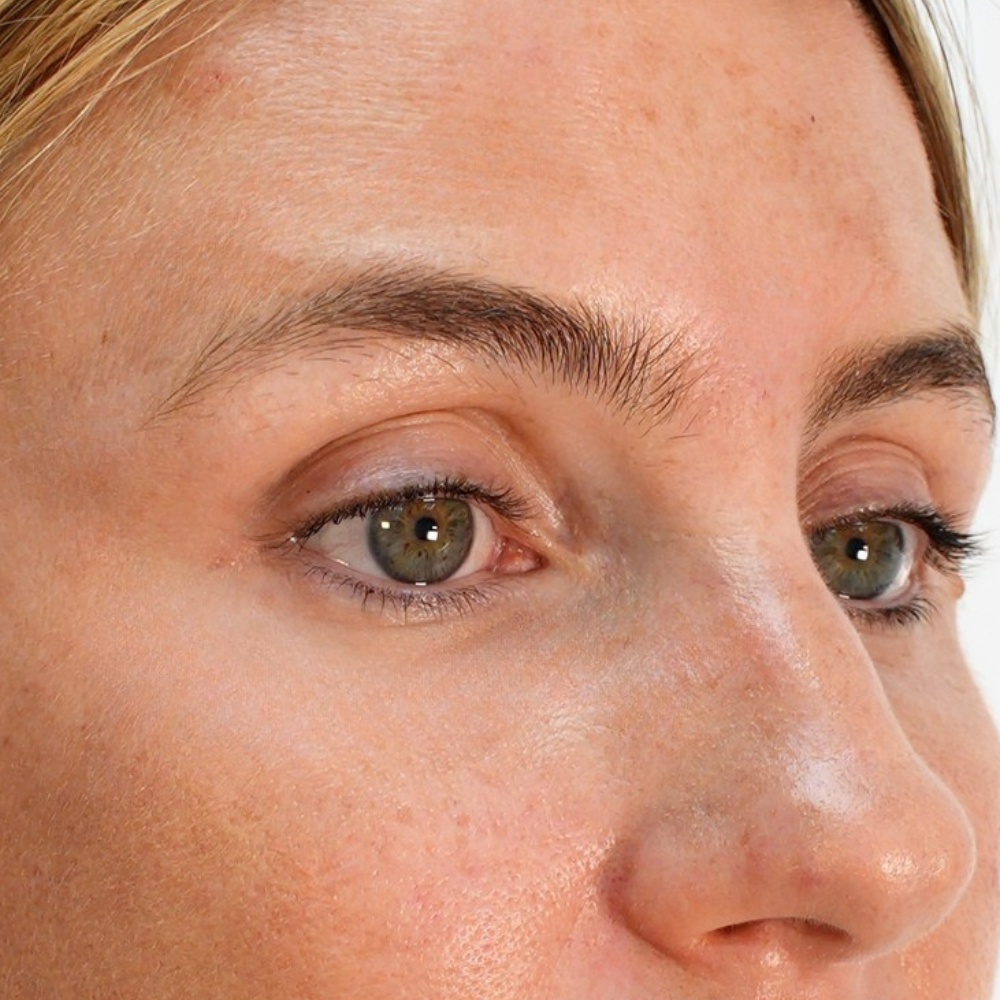
Crow’s feet are one of the earliest signs of ageing that most people notice, and one of the most common reasons patients come to see me for the first time. They appear at the outer corners of the eyes, fanning outwards when you smile or squint, and over time they become more visible even when your face is completely at rest.
For many patients, it’s not that they want to stop smiling. It’s that they want to look as well-rested and vibrant as they feel, and crow’s feet can make the eyes look tired or older than they actually are.
The good news is that this is one of the most straightforward concerns to treat, and when approached correctly, the results look completely natural.
Crow’s feet form as a direct result of repeated muscle movement around the eye. Every time you smile, laugh, or squint, thousands of times a day, over years and decades, the skin around the outer eye is creased and folded. Over time, the skin loses its ability to bounce back fully between those expressions, and the lines become etched in.
There are a few factors that influence how early and how deeply crow’s feet develop:
Repeated facial movement: The orbicularis oculi is the muscle that encircles the eye and controls blinking, squinting, and the natural narrowing of the eyes when we smile. It’s in near-constant use. Lines caused by this kind of repetitive muscle activity are called dynamic lines, and they’re the primary driver of crow’s feet.
Declining skin quality: From our mid-twenties onwards, the skin produces less collagen and elastin - the proteins responsible for keeping it firm, plump, and resilient. The skin around the eyes is already thinner than anywhere else on the face, so it’s particularly susceptible to these changes. As skin quality declines, lines that were once only visible during expression start to remain visible at rest.
Sun exposure: UV damage accelerates the breakdown of collagen and elastin. People who have spent significant time in the sun, or who haven’t worn SPF consistently, often notice crow’s feet developing earlier and more deeply than their peers.
Genetics and lifestyle: Some people are simply more predisposed to crow’s feet than others, due to their genetics, skin type, or the natural expressiveness of their face. Smoking, dehydration, and poor sleep can all accelerate the process.
Why Does This Happen?
What Can Be Done?
Crow’s feet are one of the most treatable concerns in aesthetics, but the right approach depends on understanding what’s driving them. For most patients, the primary cause is muscle movement, which makes this a very clear candidate for Botox. For others, particularly those whose lines are visible at rest as well as during expression, improving the quality of the skin itself is equally important.
As always, I take time during consultation to assess your specific concern and recommend the approach that I genuinely think will make the most meaningful difference for you.
Recommended Treatments
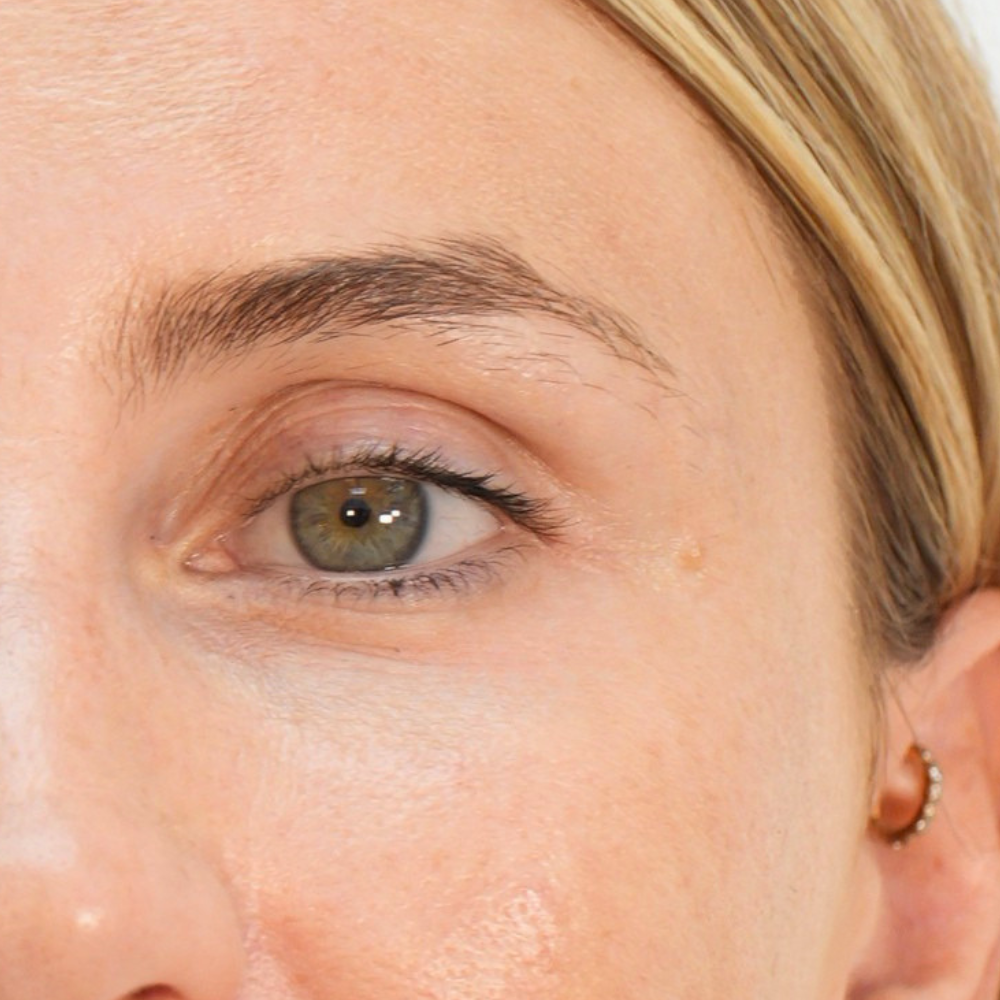
Botox is the gold standard treatment for crow’s feet, and with good reason. By temporarily relaxing the orbicularis oculi muscle, it reduces the repetitive creasing that causes crow’s feet to form and deepen. Lines that were previously visible during expression soften significantly, and over time, with consistent treatment, the lines that have become etched in at rest can also gradually improve.
When placed correctly and conservatively, Botox around the eyes should never affect your ability to smile naturally. The goal isn’t to freeze the area - it’s to soften the movement just enough that the skin is no longer being repeatedly folded in the same place. Patients often tell me they look more rested and brighter-eyed, without anyone being able to pinpoint exactly why.
This is one of the most popular treatments I carry out, and for patients new to aesthetics, it’s often a very comfortable starting point.
Suitable for: Dynamic crow’s feet (lines caused by expression); patients wanting to prevent lines from deepening; those looking for a natural, well-rested result
Treatment time: Approximately 15–20 minutes
Results: Begin to appear within 3–5 days; full results at 10–14 days
Longevity: Typically 3–4 months; results can last longer with consistent treatment over time
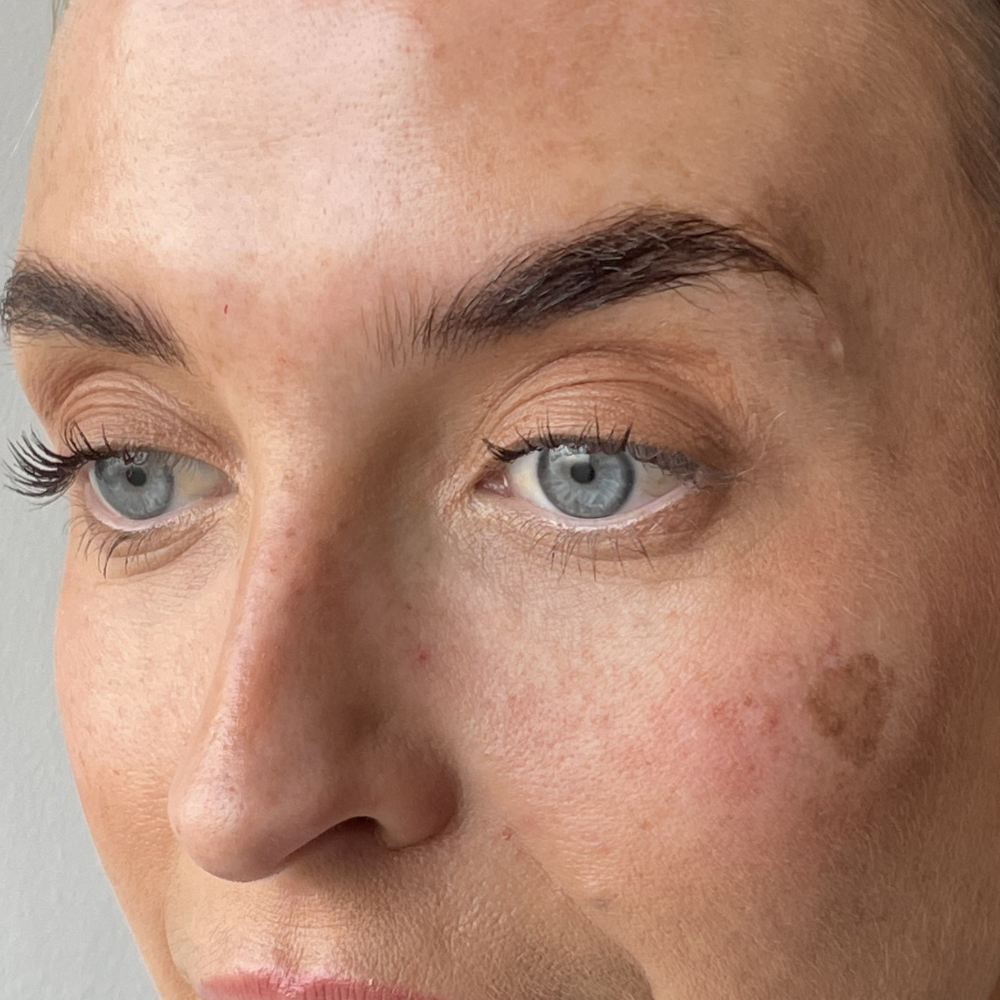
Polynucleotides are one of my favourite treatments for the eye area. They’re particularly well suited to the delicate skin around the outer eye, where the tissue is thin, prone to crepiness, and often shows fine lines at rest that Botox alone doesn’t fully address.
Rather than relaxing a muscle or adding volume, polynucleotides work by stimulating your skin’s own repair mechanisms, encouraging the production of collagen and elastin from within, boosting deep hydration, and improving overall skin quality at a cellular level. The result is skin that looks smoother, feels firmer, and has a healthier, more radiant quality to it.
For crow’s feet specifically, polynucleotides can work alongside Botox to treat two different aspects of the same concern: Botox addresses the muscle movement causing the lines, while polynucleotides improve the condition of the skin itself, so lines that remain visible at rest become less pronounced, and the overall texture around the eye is refined.
Suitable for: Fine lines around the eyes visible at rest; crepey or thin skin at the outer eye; patients wanting to improve skin quality alongside treating dynamic lines; those who have had Botox but want to address residual lines at rest
Course: Typically 2–3 sessions spaced a few weeks apart
Treatment time: Approximately 30 minutes per session
Results: Improvements in hydration and skin quality within a few weeks; full results after completing the course
Longevity: 6–12 months; maintenance once or twice a year
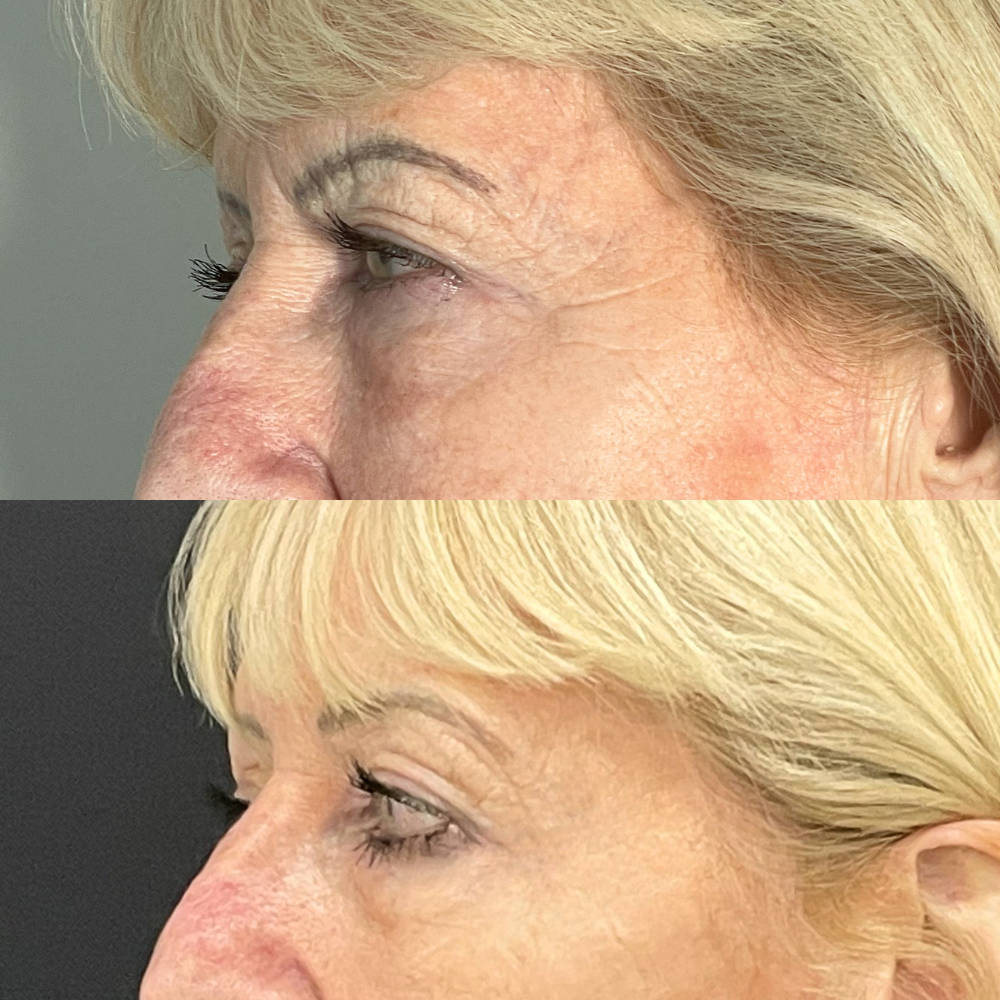
For patients where crepiness and textural loss around the eyes are the primary concern, particularly established fine lines from years of smiling or squinting, JULÄINE is another excellent option to consider alongside Botox.
JULÄINE is a collagen biostimulator. Rather than filling lines or hydrating the surface, it works beneath the skin to stimulate your own collagen production over time. Around the eye area, this translates to skin that gradually looks thicker, firmer, and less crepey, with an improvement that builds over the course of treatment rather than appearing all at once.
While polynucleotides and Profhilo work by repairing and hydrating the skin, JULÄINE takes a slower, more foundational approach, rebuilding collagen from within. This makes it a strong choice for patients with more established crepiness who want a defined course of treatment with fewer overall visits.
Suitable for: Patients with crepey or textured skin around the eyes; smoker's lines; those wanting a defined course with fewer sessions
Course: Typically 3 sessions, spaced several weeks apart
Treatment time: Approximately 30–45 minutes per session
Results: Develop gradually over 8–12 weeks as collagen production increases
Longevity: 18–24 months
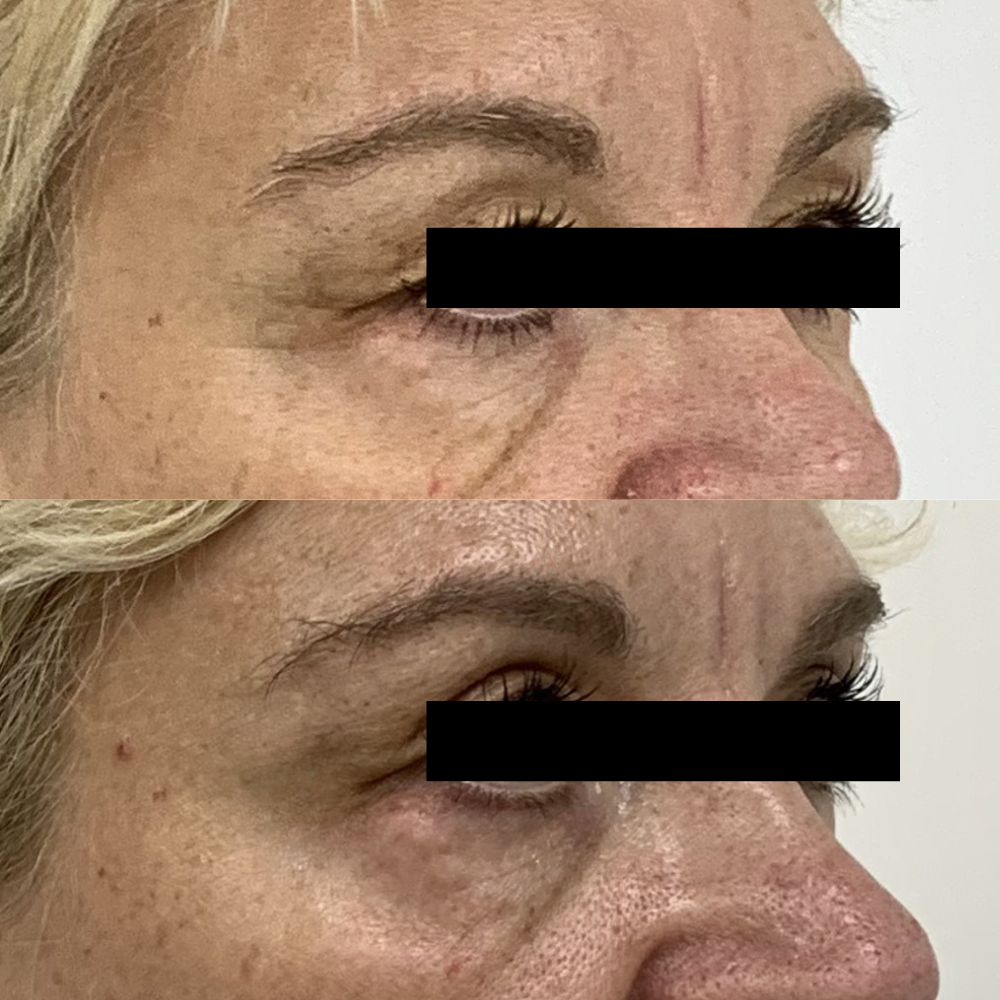
For patients where skin laxity and hydration are significant contributing factors, or where a broader skin quality improvement is the goal - Profhilo is another excellent option to consider alongside Botox.
Profhilo is one of the highest-concentration hyaluronic acid treatments available. Rather than filling lines directly, it works by deeply hydrating the skin and stimulating the production of collagen and elastin throughout the tissue. Around the eye area, this translates to skin that feels firmer, looks smoother, and has noticeably improved tone and elasticity.
While polynucleotides are particularly targeted to the periorbital area and skin repair, Profhilo works across a broader area of the face, making it a strong choice for patients who want to address skin quality more comprehensively, not just around the eyes, but in the wider face and neck as well.
Suitable for: Patients with skin laxity contributing to crow’s feet; those wanting a broader skin quality and firmness improvement; patients looking for a natural, skin-health focused approach across multiple areas
Course: 2 sessions spaced 4 weeks apart, with maintenance every 6 months
Treatment time: Approximately 30 minutes per session
Results: Improvement in skin quality and firmness within 4–8 weeks of completing the course
Longevity: 6 months; maintenance treatments recommended
Which Treatment is Right for me?
For most patients, Botox alone gives an excellent result for crow’s feet. If your lines are primarily dynamic, meaning they appear or worsen with expression, this is often all that’s needed.
If your lines are also visible at rest, or the skin around your eyes feels thin, crepey, or lacks its former firmness, adding polynucleotides gives a more complete outcome, targeting the skin quality that Botox doesn’t address. For patients who also want to improve skin health more broadly across the face, Profhilo can be incorporated into the plan as well.
For more established crepiness or textural change around the eyes, particularly for those who've noticed smoker's lines or want a more defined course with fewer visits, JULÄINE is another option worth discussing.
The honest answer is that the right combination depends entirely on your individual concern - which is exactly what your consultation is for. There’s no pressure and no obligation, just an honest conversation about what I think will genuinely make the most difference for you.
Book a consultation
If crows feet are a concern you’ve been thinking about, the first step is a conversation. Request a consultation and I’ll take the time to properly assess what’s driving the change, and talk through the options that are right for you, with no obligation to proceed.
Clinics in Altrincham (Cheshire) and Harley Street, London.
Why Choose Dr Karim?
Botox around the eyes is one of those treatments where the difference between a good result and a great one comes down entirely to precision and judgement. Too much product, the wrong placement, or a lack of understanding of how the muscle interacts with your natural expression can lead to results that look unnatural or affect the way you smile.
As a practising GP with over a decade of medical experience and advanced training in aesthetics, I bring a thorough understanding of facial anatomy to every treatment. I take the time to assess your facial movement properly before I treat, watching how your muscles work, understanding your natural expression, and placing Botox in a way that softens without flattening.
My approach is always the same: enhance, never overpower. I want you to look like yourself - just brighter and more rested.
I see patients at my clinic in Altrincham (based at Star Clinic) and at Harley Street, London. Wherever you choose to see me, you’ll receive the same standard of care.
Frequently Asked Questions About Crows Feet
-
No, at least not when it’s done well. The concern about looking frozen usually comes from seeing results where too much product has been used, or where the placement hasn’t accounted for individual facial anatomy. My approach is always conservative. The aim is to soften movement, not eliminate it. You should still be able to smile and express yourself naturally - you’ll just notice the lines around your eyes are far less pronounced.
-
There’s no fixed answer, and I’d always encourage people to think about this individually rather than by age. Some patients in their late twenties start to notice early dynamic lines that they’d like to address. Others are in their forties and are treating more established lines. Both are completely valid. Starting earlier can help prevent lines from becoming deeply etched in, but there’s no “too late” either. A consultation is the best way to understand what’s achievable for where you are now.
-
Typically 3 to 4 months for most patients, though this varies depending on your metabolism, the strength of the muscle, and lifestyle factors. Many patients find that with consistent treatment over time, results last a little longer, as the muscle gradually becomes less active.
-
Botox is by far the most effective treatment for dynamic crow’s feet (lines caused by expression), because it addresses the root cause directly. Skin quality treatments like polynucleotides and Profhilo can improve the appearance of fine lines at rest and the overall condition of the skin around the eye, but for the characteristic fanning lines at the outer eye, Botox gives the most reliable result. If you’d prefer to avoid Botox, I’ll always discuss alternatives honestly during your consultation.
-
Minimal. Most patients return to normal activities immediately after treatment. You may notice small bumps at the injection sites for an hour or so, and occasional mild bruising, but this is uncommon with careful technique and settles quickly. I advise avoiding strenuous exercise for 24 hours and not rubbing the treated area afterwards.
-
No. This is a common concern and a misconception worth addressing. If you choose to stop treatment, your crow’s feet will gradually return to where they were before, as the muscle regains its activity. They won’t be worse than if you’d never had treatment. In fact, patients who have had consistent Botox over a number of years often find their lines are shallower when they do take a break, because the reduced muscle movement has slowed the rate at which lines deepen.
-
All three improve skin quality rather than adding volume, but they work differently. Polynucleotides focus on repair and hydration at a cellular level with a shorter course. Profhilo is a hyaluronic acid treatment that works across a broader area of the face. JULÄINE is a collagen biostimulator, working more gradually beneath the skin to rebuild firmness and texture over a longer course of fewer sessions. Which one, or combination is right for you depends on your skin and your goals, which is exactly what we'll cover at consultation.