
Concerns: Fine Lines & Wrinkles
Treatment for Fine Lines & Wrinkles
If you're concerned about fine lines and wrinkles, you're in the right place.
With over a decade of medical experience, a deep understanding of facial anatomy, and a breadth of knowledge across injectable treatments, skin boosters, and skin health - treating lines and wrinkles is something I do every single day, across patients of all ages and skin types.
What sets my approach apart is the time I take to understand what's actually driving your lines before recommending anything. Not all lines are the same - some are caused by muscle movement, some by volume loss, and some by the gradual thinning of the skin itself. Getting the result right starts with understanding which of these is at play for you.
Why Do Fine Lines & Wrinkles Happen?
Lines and wrinkles develop through several distinct mechanisms, often working together over time. Understanding how your wrinkles have formed matters more than you might think. The treatment that works really well for one type of line may have little effect on another.
Dynamic lines - caused by muscle movement. Every time you smile, frown, squint, or raise your eyebrows, the muscles beneath your skin contract and crease the overlying tissue. In youth, the skin has enough elasticity to spring back between expressions. Over time, as collagen and elastin decline, those creases begin to linger, and eventually become visible even when the face is at rest. Forehead lines, frown lines between the brows, and crow’s feet at the outer eye are the most common examples of dynamic lines.
Static lines - caused by volume loss and skin laxity. As we age, we lose fat, bone density, and collagen throughout the face. This structural loss changes the shape of the face subtly but significantly - hollowing certain areas, causing tissue to descend, and creating folds and lines that have nothing to do with expression. Nasolabial folds (the lines running from the nose to the mouth), marionette lines (from the corners of the mouth downward), and lines along the jawline are often predominantly static in nature.
Skin quality lines - caused by thinning, dehydration, and textural change. The third category is less about movement or volume and more about the quality of the skin itself. As skin becomes thinner, drier, and less resilient over time, fine lines develop across the surface, particularly in areas like the cheeks, upper lip, neck, and décolletage. These lines often have a crepey or textured quality, and they don’t respond well to treatments aimed at muscle or volume.
A combination of all three For most patients, particularly from their late thirties onwards lines and wrinkles are being driven by a mixture of all three factors simultaneously. This is why a thorough assessment matters. Treating dynamic lines without addressing volume loss, or improving skin quality without softening muscle movement, often leaves patients feeling that something is still not quite right.
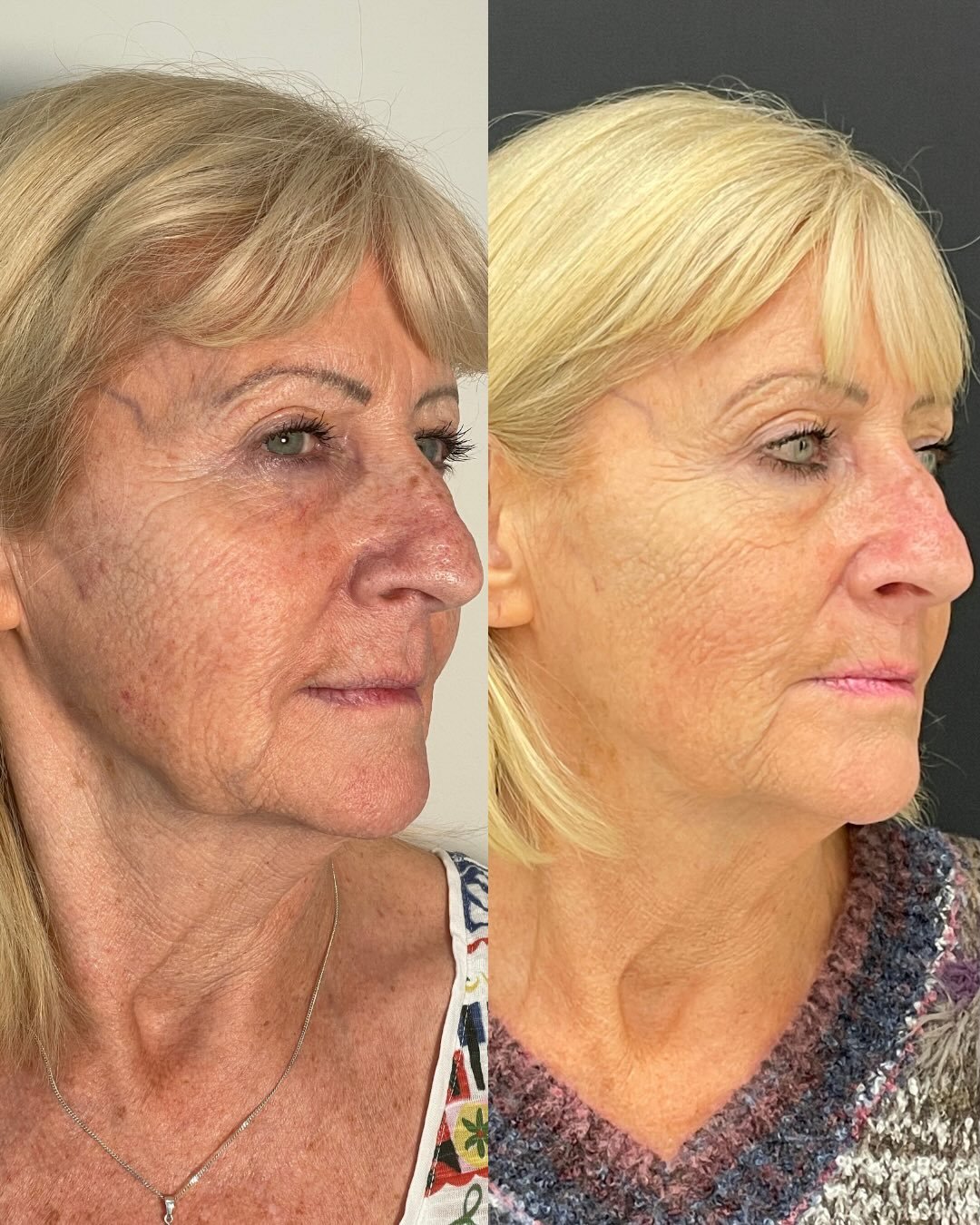
How to treat lines & wrinkles
Lines and wrinkles are among the most treatable concerns in non-surgical aesthetics, but the amount of treatment options out there can feel overwhelming. The key is matching the treatment to the cause, not simply reaching for the most familiar option.
As a doctor with a background in general medicine and over a decade of aesthetic experience, I take time during every consultation to properly assess what’s driving your lines before recommending anything. Sometimes one treatment is all that’s needed. More often, a considered combination gives the most complete and natural result.
Recommended Treatments
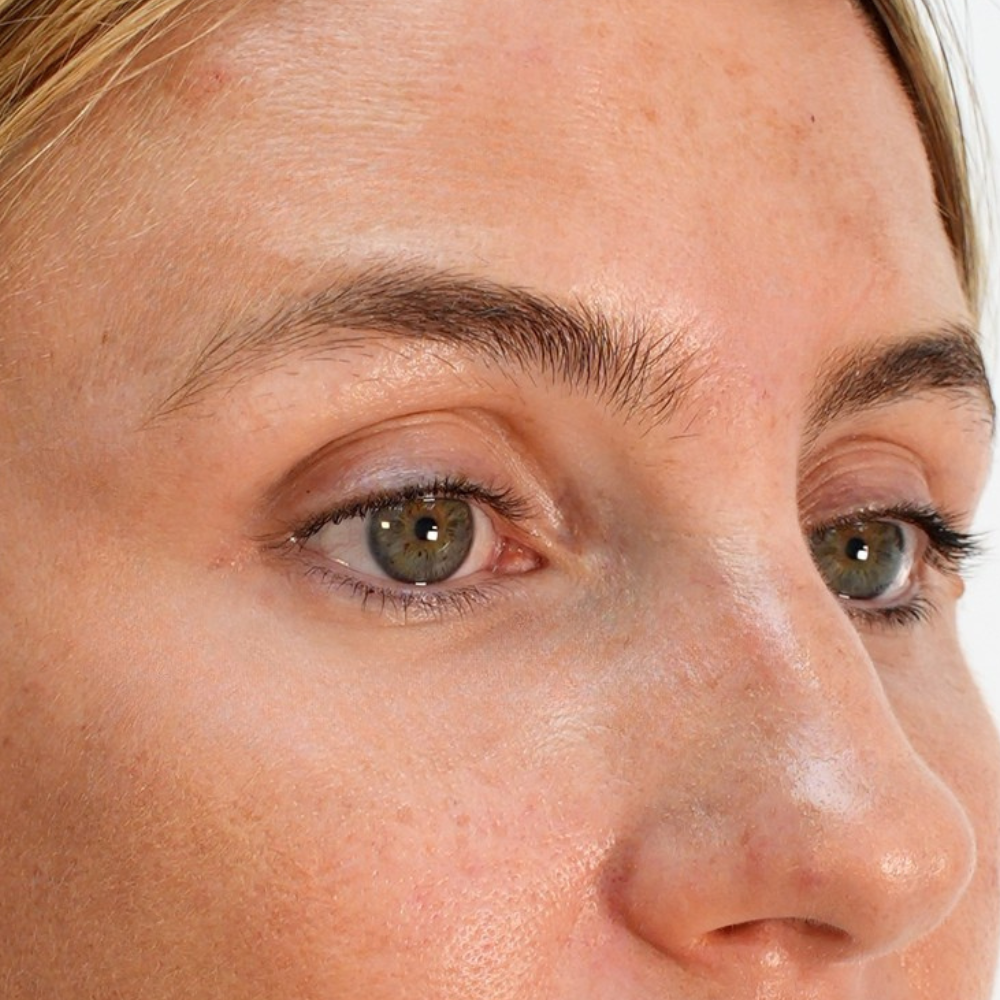
Botox is the most effective treatment for dynamic lines (the lines caused by repeated facial movement). Botox for these types of lines and wrinkles works by temporarily reducing the activity of the underlying muscle, it allows the skin above to relax, softening lines that appear during expression and, over time, improving lines that have become etched in at rest.
The most commonly treated areas are the forehead, the frown lines between the brows (sometimes called the elevens), and the crow’s feet at the outer corners of the eyes. Botox can also be used for subtler refinements - bunny lines across the nose, lip lines, chin dimpling, and neck bands, depending on individual anatomy and concern.
When placed with precision and an understanding of how your individual muscles work, Botox gives results that look entirely natural. You should still be able to express yourself, you’ll simply notice the lines are much less pronounced.
Suitable for: Forehead lines, frown lines, crow’s feet, and other expression-related lines; patients wanting to prevent dynamic lines from deepening; those new to aesthetics looking for a straightforward starting point
Treatment time: Approximately 15–30 minutes depending on areas treated
Results: Begin to appear within 3–5 days; full results at 10–14 days
Longevity: Typically 3–4 months; can last longer with consistent treatment over time

Where lines are driven by volume loss rather than muscle movement, dermal filler is often the most direct and effective solution. A soft hyaluronic acid gel is carefully placed to restore lost structure, smooth deeper folds, and rebalance the proportions of the face.
For lines and wrinkles specifically, filler is particularly well suited to nasolabial folds, marionette lines, and lines around the mouth - areas where the descent of tissue and loss of underlying support are the primary cause. It can also be used to restore volume to the cheeks and mid-face, which in turn provides a lifting effect that reduces the appearance of lines lower on the face.
The results are immediate, and when carried out with restraint and an eye for natural proportions, filler gives a refreshed, balanced appearance rather than an overfilled one.
Suitable for: Nasolabial folds, marionette lines, perioral lines, and deeper static lines with a volume component; patients who want an immediate, visible result
Treatment time: Approximately 30–45 minutes
Results: Visible immediately; full results at 2 weeks once any swelling has settled
Longevity: Typically 12–18 months depending on the area and product used
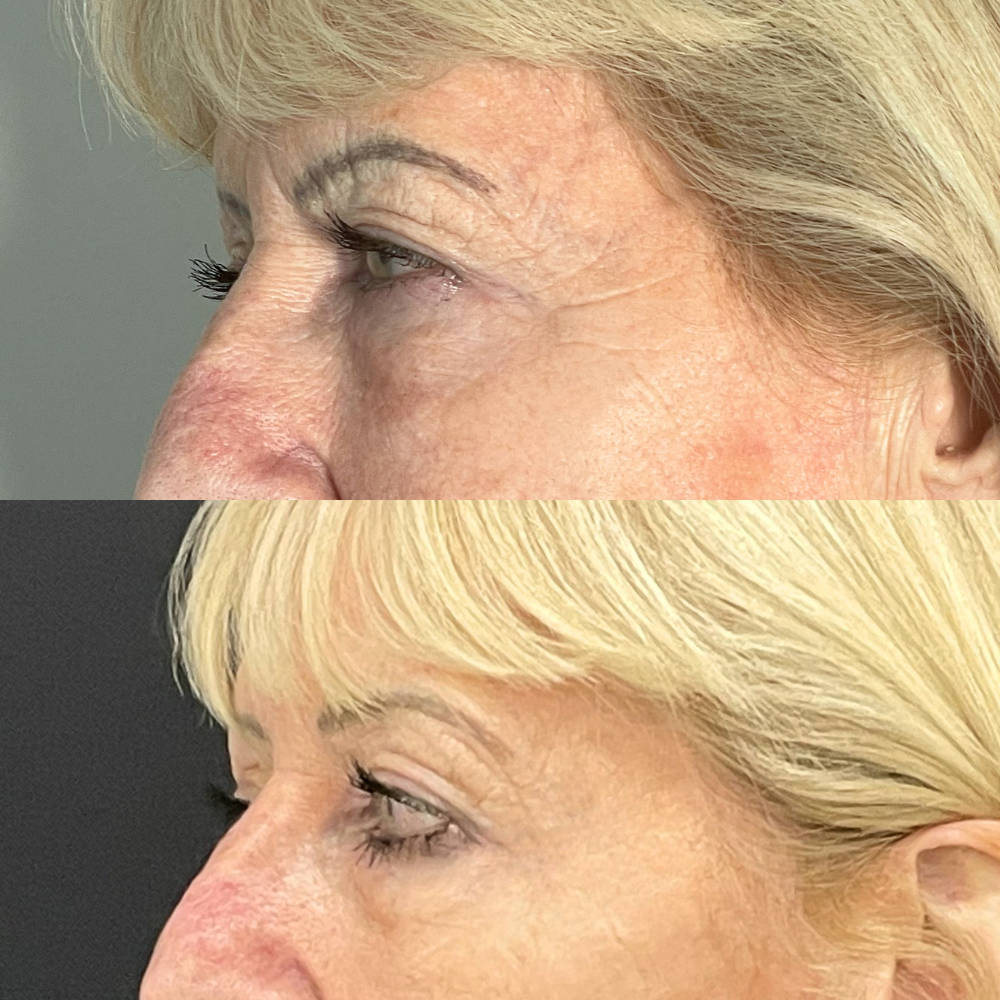
For patients with more significant volume loss and deeper lines, or those who want a longer-lasting, more natural result that builds gradually rather than appearing all at once - Sculptra is an amazing option.
Unlike traditional fillers, Sculptra is a collagen biostimulator. Rather than replacing lost volume directly, it stimulates your skin to produce its own collagen over time. The result is a gradual, natural-looking improvement in facial fullness, skin thickness, and the depth of lines and folds — driven by your own biology rather than a foreign substance.
Sculptra works particularly well for patients with deeper nasolabial folds, marionette lines, and a generalised loss of facial volume that has contributed to multiple lines across the face. Because the results develop over months, they look entirely natural, and they last significantly longer than most other non-surgical treatments.
Suitable for: Deeper lines and folds with a volume component; patients wanting a gradual, natural result; those looking for a longer-lasting solution without the maintenance of regular filler
Course: Typically 2–3 sessions spaced 4–6 weeks apart
Treatment time: Approximately 45 minutes per session
Results: Develop gradually over 3–6 months as collagen production increases
Longevity: 2 years or more
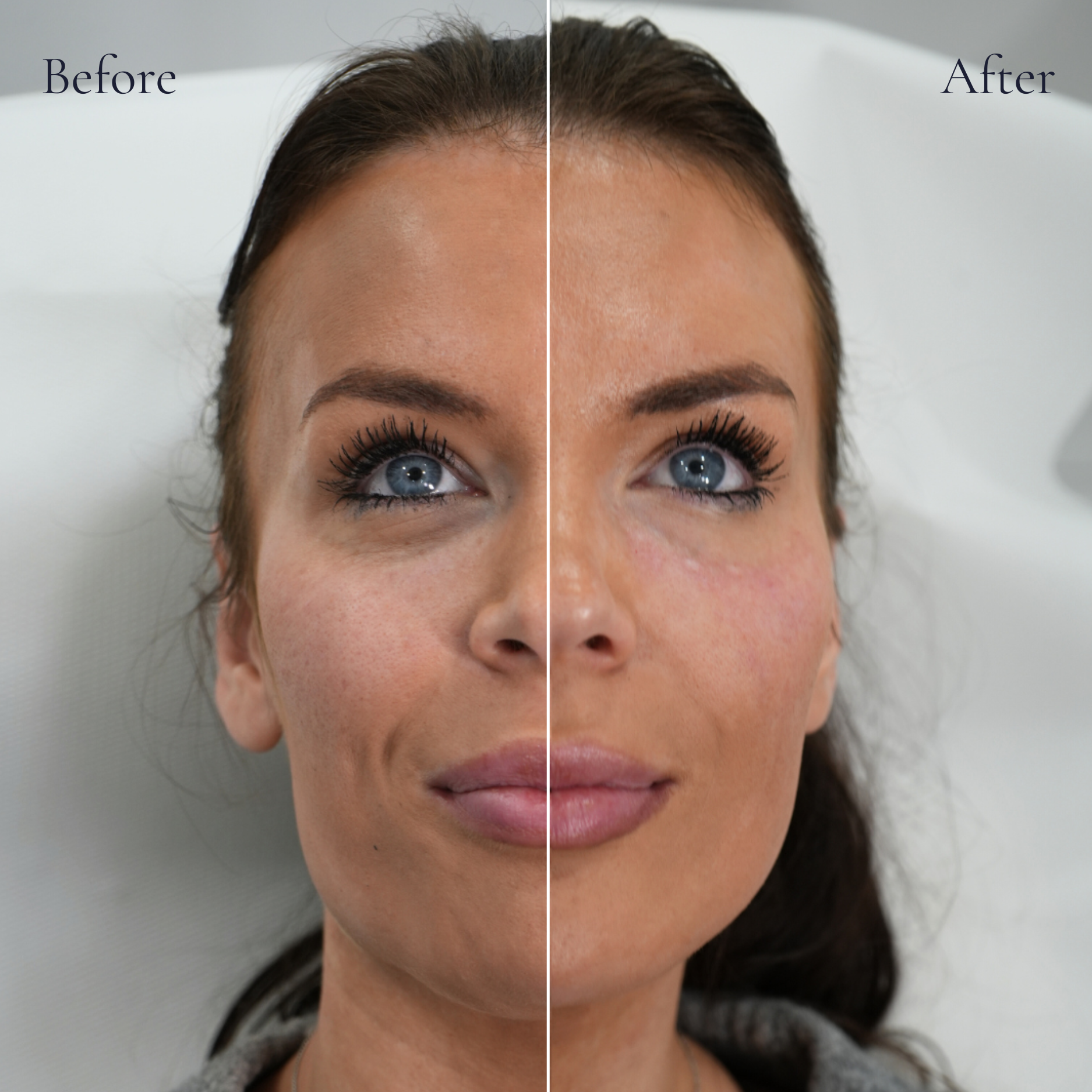

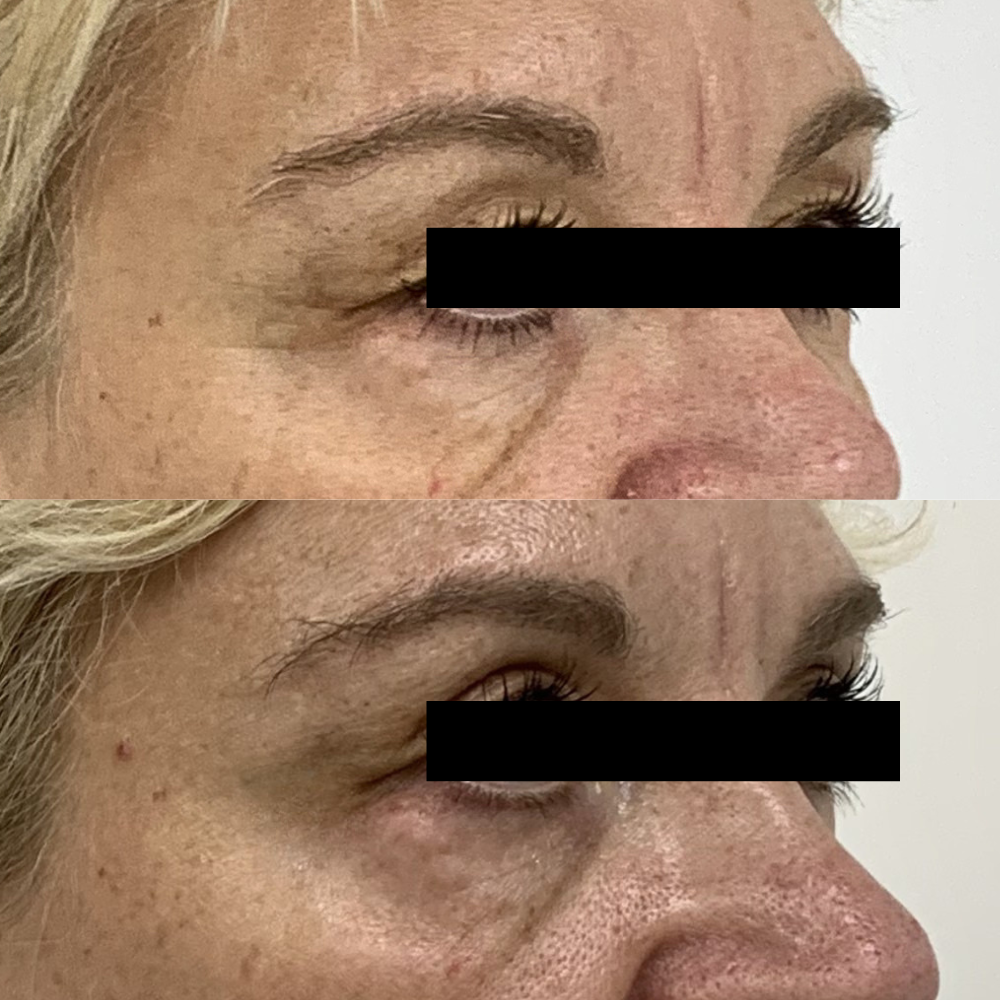
For fine lines driven by skin quality rather than muscle movement or volume loss, polynucleotides offer something that Botox and filler alone cannot - genuine skin repair from within.
Polynucleotides work by stimulating the skin’s own regenerative mechanisms, encouraging the production of collagen and elastin at a cellular level and restoring deep hydration to the tissue. The result is skin that looks smoother, feels firmer, and has a healthier overall quality - with fine lines and crepiness visibly reduced.
They are particularly well suited to areas where the skin is delicate and thin - the under-eye area, the cheeks, the upper lip, and the neck, where textural lines and crepiness are often the dominant concern. Because polynucleotides work with your biology, results develop gradually and look entirely natural.
Suitable for: Fine lines and crepiness caused by skin thinning or dehydration; patients wanting to improve the overall quality and texture of their skin; those with lines in delicate areas not well suited to filler or Botox
Course: Typically 2–3 sessions spaced a few weeks apart
Treatment time: Approximately 30 minutes per session
Results: Improvements in skin quality and hydration within a few weeks; full results after completing the course
Longevity: 6–12 months; maintenance once or twice a year
Where skin laxity, dryness, and a loss of overall radiance are contributing to the appearance of lines, particularly fine surface lines across the cheeks, neck, or décolletage - Profhilo offers a deeply hydrating and firming effect that improves the skin’s ability to support itself.
Profhilo contains one of the highest concentrations of hyaluronic acid available in any aesthetic treatment. It doesn’t add volume or fill lines directly, instead it spreads through the tissue, deeply hydrating from within and stimulating the production of four types of collagen and elastin. The result is skin that looks brighter, feels more resilient, and has noticeably improved tone and texture.
It works particularly well as part of a broader treatment plan - alongside Botox to address dynamic lines, or Sculptra and filler to address volume where the goal is to treat the structural cause of lines while also improving the skin quality that surrounds them.
Suitable for: Fine surface lines and skin laxity; patients whose skin looks dull or dehydrated; those wanting to improve overall skin quality as part of a broader plan
Course: 2 sessions spaced 4 weeks apart, with maintenance every 6 months
Treatment time: Approximately 30 minutes per session
Results: Improvement in skin quality and hydration within 4–8 weeks of completing the course
Longevity: 6 months; maintenance treatments recommended
For patients with more established textural lines - crepiness, smoker’s lines, or fine lines that have a structural, skin-depth quality to them, JULÄINE offers a targeted collagen-stimulating approach with results that last significantly longer than most skin booster treatments.
JULÄINE is a collagen biostimulator that works beneath the skin to rebuild the collagen framework over time, improving firmness, skin thickness, and the overall texture of the tissue. Unlike polynucleotides or Profhilo, which focus on hydration and cellular repair, JULÄINE takes a more foundational approach by gradually rebuilding what has been lost rather than supplementing it.
It is particularly well suited to patients with fine lines around the mouth, smoker’s lines, crepey skin on the cheeks or neck, and those who want a defined course of treatment with fewer sessions and longer-lasting results.
Suitable for: Established textural lines and crepiness; smoker’s lines; patients wanting a defined course with fewer visits and longer longevity
Course: Typically 3 sessions spaced several weeks apart
Treatment time: Approximately 30–45 minutes per session
Results: Develop gradually over 8–12 weeks as collagen production increases
Longevity: 18–24 months
Which Treatment is Right for me?
The right treatment for lines and wrinkles depends entirely on what’s causing them, and often a combined approach provides the best and most long-lasting results.
As a general guide:
If your lines are primarily caused by expression and muscle movement, things such as forehead lines, frown lines, crow’s feet - Botox is usually the most effective starting point.
If deeper folds or lines are being driven by volume loss and the descent of tissue - think nasolabial folds and marionette lines - Dermal Filler or Sculptra can be used to treat the root cause more directly.
If the skin itself is thin, crepey, or lacks its former firmness and radiance, Polynucleotides, Profhilo, or JULÄINE can be used to improve skin quality in ways that structural treatments like filler alone cannot.
For most patients, the best outcome comes from a combination - treating the underlying structure and the skin quality together. This is exactly what your consultation is for. Request a consultation with me and I’ll do a full facial assessment and provide you with my honest opinion about what I think will make the most meaningful difference for you.
Book a consultation
If lines and wrinkles are something you would like to treat through advanced aesthetic treatments, the first step is always a full consultation and facial assessment. Book a consultation and I’ll take the time to properly assess your concern and talk through the options that are genuinely right for you.
Clinics in Altrincham (Cheshire) and Harley Street, London.
Why Choose Dr Karim?
Lines and wrinkles span almost every aspect of facial aesthetics, which means treating them well requires both breadth of knowledge and depth of judgement. It’s not about having one favourite treatment and applying it to every patient. It’s about taking the time to properly understand what you’re seeing, why it’s there, and which combination of tools will address it most effectively.
As a practising GP with over a decade of medical experience and advanced aesthetic training, I bring a clinical rigour to every assessment that I believe makes a genuine difference to the quality of results. Every treatment I carry out is doctor-led and personally delivered by myself - from your initial consultation through to the procedure itself.
My approach is always the same: enhance, never overpower. I want you to look like a more rested, refreshed version of yourself - not like someone who has had work done.
I see patients at my clinic in Altrincham (based at Star Clinic) and at Harley Street, London. Wherever you choose to see me, you’ll receive the same standard of care
Frequently Asked Questions Lines & Wrinkles
-
Dynamic lines appear or deepen during facial expression such as smiling, frowning, squinting and are caused by the repeated contraction of the underlying muscles. Static lines are present at rest and are driven by volume loss, skin laxity, and the structural changes that come with ageing. Many patients have both, which is why the most effective treatment plans often combine more than one approach.
-
Yes - depending on what’s causing them. Botox is the most effective treatment for dynamic lines caused by muscle movement, but for lines driven by volume loss or skin quality, treatments like Sculptra, filler, Profhilo, or polynucleotides may be more appropriate. If you’d prefer to avoid Botox, I’ll always explore the alternatives honestly during your consultation and give you my clinical view on what’s realistically achievable.
-
There’s a genuine clinical benefit to addressing lines earlier rather than later. Dynamic lines that are treated before they become deeply etched in at rest are more straightforward to improve, plus consistent Botox over time can slow the rate at which lines deepen. That said, there’s no “too late.” Patients in their fifties, sixties, and beyond can still see very meaningful improvements. A consultation is the best way to understand what’s achievable at any stage
-
Yes, and for many patients, a combination approach gives the most complete result. Botox and filler are frequently used together. Profhilo or polynucleotides can be added to address skin quality alongside structural treatments. Sculptra and JULÄINE can both be used as part of a longer-term collagen-building plan. I’ll always advise on what I think is genuinely useful rather than recommending more than is needed.
-
This varies significantly depending on the treatment. Botox typically lasts 3–4 months. Dermal filler 12–18 months. Sculptra and JULÄINE offer results of 18–24 months or more. Profhilo and polynucleotides last around 6–12 months with maintenance. I’ll always be clear about expected longevity for each treatment during your consultation so you can make an informed decision.
-
Most treatments for lines and wrinkles involve minimal downtime. You may notice mild redness, swelling, or occasional bruising at injection sites, but most patients return to normal activities the same day. I’ll always discuss what to expect for each specific treatment during your consultation.
-
Not necessarily; however, most patients choose to, because they like the results. If you stop treatment, your skin will gradually return to where it was before. It will generally still look better than if you’d never had treatments, however the effects do wear off after time. Many patients find that with consistent, well-planned treatment over time, they need less product to maintain their results, because earlier intervention prevents lines from deepening as significantly in the first place.